Campaign URL Copy
- Past Issues
- RSS
- Translate
- English
- العربية
- Afrikaans
- беларуская мова
- български
- català
- 中文(简体)
- 中文(繁體)
- Hrvatski
- Česky
- Dansk
- eesti keel
- Nederlands
- Suomi
- Français
- Deutsch
- Ελληνική
- हिन्दी
- Magyar
- Gaeilge
- Indonesia
- íslenska
- Italiano
- 日本語
- ភាសាខ្មែរ
- 한국어
- македонски јазик
- بهاس ملايو
- Malti
- Norsk
- Polski
- Portugues
- Portugues - Portugal
- Romană
- Русский
- Español
- Kiswahili
- Svenska
- עברית
- Lietuvių
- latviešu
- slovenčina
- slovenščina
- српски
- தமிழ்
- ภาษาไทย
- Türkçe
- Filipino
- украї́нська
- Tiếng Việt
͏ ͏ ͏ ͏ ͏ ͏ ͏ ͏ ͏ ͏ ͏ ͏ ͏ ͏ ͏ ͏ ͏ ͏ ͏ ͏ ͏ ͏ ͏ ͏ ͏ ͏ ͏ ͏ ͏ ͏ ͏ ͏ ͏ ͏ ͏ ͏ ͏ ͏ ͏ ͏ ͏ ͏ ͏ ͏ ͏ ͏ ͏ ͏ ͏ ͏ ͏ ͏ ͏ ͏ ͏ ͏ ͏ ͏ ͏ ͏ ͏ ͏ ͏ ͏ ͏ ͏ ͏ ͏ ͏ ͏ ͏ ͏ ͏ ͏ ͏ ͏ ͏ ͏ ͏ ͏ ͏ ͏ ͏ ͏ ͏ ͏ ͏ ͏ ͏ ͏ ͏ ͏ ͏ ͏ ͏ ͏ ͏ ͏ ͏ ͏ ͏ ͏ ͏ ͏ ͏ ͏ ͏ ͏ ͏ ͏ ͏ ͏ ͏ ͏ ͏ ͏ ͏ ͏ ͏ ͏ ͏ ͏ ͏ ͏ ͏ ͏ ͏ ͏ ͏ ͏ ͏ ͏ ͏ ͏ ͏ ͏ ͏ ͏ ͏ ͏ ͏ ͏ ͏ ͏ ͏ ͏ ͏ ͏ ͏ ͏ ͏ ͏ ͏ ͏ ͏ ͏ ͏ ͏ ͏ ͏ ͏ ͏ ͏ ͏ ͏ ͏ ͏ ͏ ͏ ͏ ͏ ͏ ͏ ͏ ͏ ͏ ͏ ͏ ͏ ͏ ͏ ͏ ͏ ͏ ͏ ͏ ͏ ͏ ͏ ͏ ͏ ͏ ͏ ͏ ͏ ͏ ͏ ͏ ͏ ͏ ͏ ͏ ͏ ͏ ͏ ͏ ͏ ͏ ͏ ͏ ͏ ͏ ͏ ͏ ͏ ͏ ͏ ͏ ͏ ͏ ͏ ͏ ͏ ͏ ͏ ͏ ͏ ͏ ͏ ͏ ͏ ͏ ͏ ͏ ͏ ͏ ͏ ͏ ͏ ͏ ͏ ͏ ͏ ͏ ͏ ͏ ͏ ͏ ͏ ͏ ͏ ͏ ͏ ͏ ͏ ͏ ͏ ͏ ͏ ͏ ͏ ͏ ͏ ͏ ͏ ͏ ͏ ͏ ͏ ͏ ͏ ͏ ͏ ͏ ͏ ͏ ͏ ͏ ͏ ͏ ͏ ͏ ͏ ͏ ͏ ͏ ͏ ͏ ͏ ͏ ͏ ͏ ͏ ͏ ͏ ͏ ͏ ͏ ͏ ͏ ͏ ͏ ͏ ͏ ͏ ͏ ͏ ͏ ͏ ͏ ͏ ͏ ͏ ͏ ͏ ͏ ͏ ͏ ͏ ͏
| | | | | | |
View this email in your browser
| |

| |
Hospitalist Happenings

UNC Division of Hospital Medicine Newsletter
Volume 26, Issue 20
| | | | | | | | | | |
| |
|
View from the Ninth Floor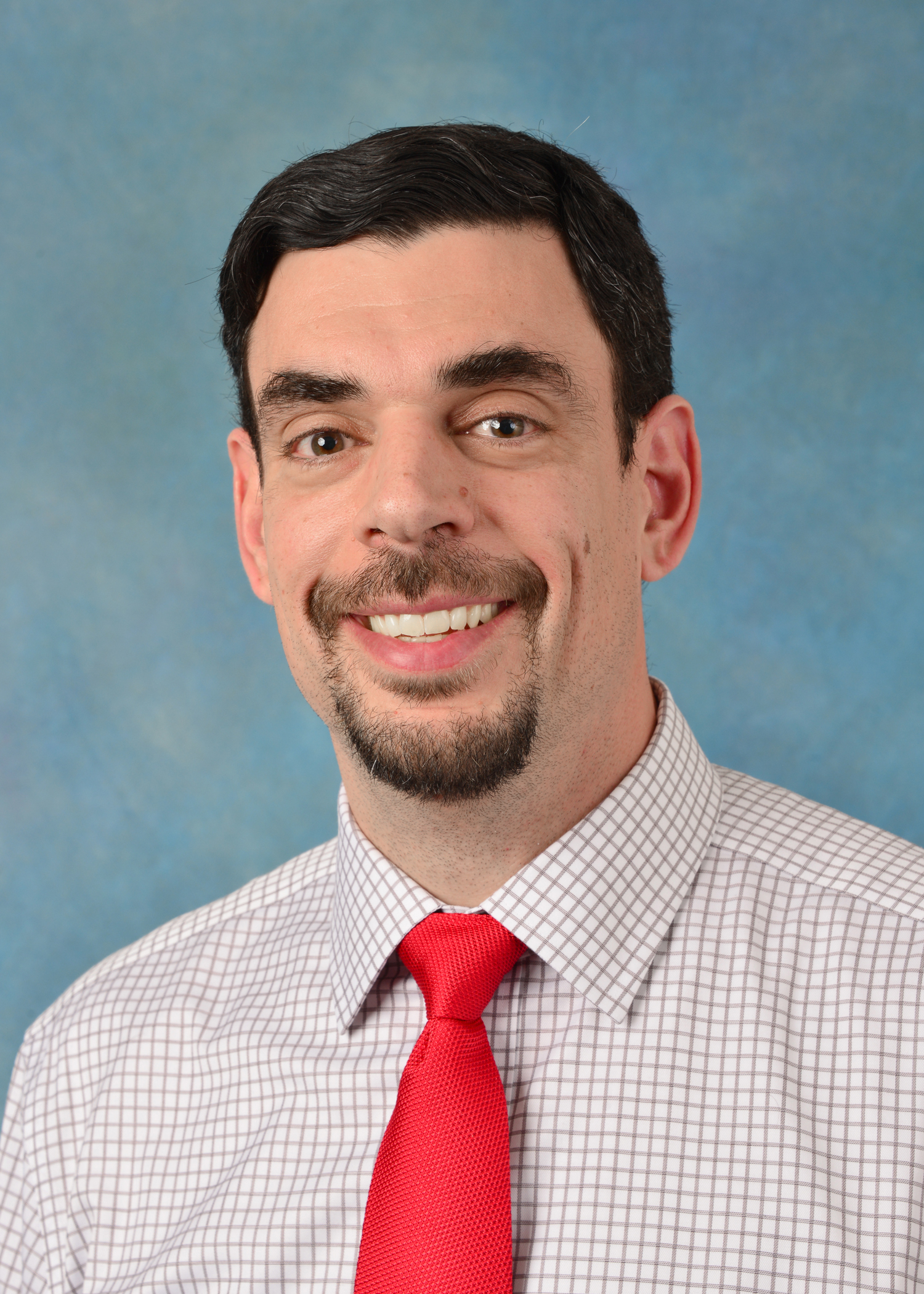 **** This week, I have my last CBL session for the year which really brings home the reality that FY26 is nearly over. You all know that this year has been a challenging one for the division as we have wrestled with unprecedented short-staffing and its trickle-down effects on scheduling, workload, and provider satisfaction on top of our usual challenges. I, for one, won’t be sad to see it in the rearview mirror. Ashmita has shared with me the results from our division survey (which she will go over in a faculty meeting soon) and I have been reviewing the themes within. Coincidentally, we also happen to be approaching the 10th birthday of the DHM on July 1st. This confluence has made me even more reflective than usual about what we can learn from this moment to improve as we move into FY27. I will talk more about these themes in July during our State of the Division review but will share some initial thoughts here. A lower daily census is one change many want. This goal has been one we have already been pursuing and was the impetus for the addition of a 2nd APP on weekends to address those busiest days. But we readily admit it has not been enough, especially during the week with the current staffing. What keeps us from getting there today is patient demand which pushes the DOM teams to or near cap 90%+ of the time. To lower caps while in the current state puts our patients in the lurch and increases gap in care, conflicts and delays, so is not a “solution” to the root problems or patient-centered. What would help lower censuses safely: more DOM capacity to get back to a time when we weren’t at cap on a daily basis. We have gotten investment in that effort from the DOM and UNC Medical Center 3 years running, as we have added Bluebird, MDM and now an additional rounding and night provider coming in the 2nd quarter. At the same time, throughput efforts are starting to mature and drive real improvements in LOSi, and increased services at HBR will allow us to keep those teams more full and require less back and forth through MDH and the teaching teams. We are also working with the Capacity Command Center and the other departments to re-envision the transfer and triage strategy at UNC Medical Center which may allow us to better care for the patients who need to be here AND for those who can receive care in other settings. All of these efforts are needed to have some excess capacity daily at both campuses. The next target is true “full staffing” – both on the MD and APP side. We have enough approved MD positions to allow us to better mitigate our typical leave cycles, now we are pushing for similar ratios in APP staffing to avoid day-to-day variations. Our DOM and UNC Medical Center leadership understand better that we need to “right-size” our hospital medicine program for the work that exists. I have often talked, joked or even gotten emotional about the growth and change we have experienced over the last decade. We have doubled the number of physicians and tripled our APPs, despite a conservative growth strategy. The amount of FTE spent outside of DHM clinical work has more than tripled and is spread in more directions. It used to be 90% leadership or clinical care management, now we have SOM roles, UNCH roles, other clinical appointments, and other contracts including DRG and AC@H. This growth has been good in many ways – it represents demand for our excellent work, more teaching opportunities at and away from the bedside and more career opportunities for our team. These changes we are pursuing will make us even bigger. But there are real tradeoffs to growth that have become more apparent, that we should state openly and work to mitigate. Simply, we cannot do what we have done before because what worked when we were 34 physicians and 4 APPs in 2016 doesn’t work for 68 and 12 in 2026. As we grow, we will become more prone to disruptions in staffing from short-term or permanent leaves – a similar percentage turnover still means more people. It will require more time to schedule and administrate and it will be more difficult to meet individual requests. Andy and the scheduling working group have focused this year on setting priorities, now we will pivot in the next FY to operationalize those priorities, set clearer expectations and expedite the process. It will become more practically difficult to ask for or achieve consensus on decisions, especially those that require tight deadlines like incentive and scheduling. As we move forward, we will continue to rely on our mission and guiding principles in decision-making:
-
- Address the needs of our customers (patients-learners-DOM-SOM-UNC Health)
-
- Remain transparent
-
- Fairness across our providers
-
- Be ahead of changes, not behind them
-
- Care for ourselves while we care for others
-
- Assume good intent from others and extend grace to them
In interest of that transparency, we are committed to increasing communication about all of the exciting things going on and the opportunities for constructive feedback and input from our providers and other colleagues.
-David Hemsey, MD , Division Chief, Hospital Medicine
|
| |
| News from the IM Residency Program
 DOM Research Database and the Residency-Fellowship Liaison Initiative The Division of Hospital Medicine has always been well-represented in resident research and scholarly activity. This was recently demonstrated by our Resident Research Day last week where many of our faculty were featured on resident posters. But there is always room for improvement. Govind Kallumkal, our Chief Resident at WakeMed, has spearheaded a project with a simple aim: to create a centralized, accessible space where faculty can post research projects that could benefit from resident involvement. Projects can be of any scale, including but not limited to retrospective chart reviews, quality improvement initiatives, or prospective projects. The hope is that this database can help residents identify who to reach out to based on clinical interest and help liaisons/IM residency leadership better advise residents in obtaining mentorship. I will help moderate the database as the DHM Residency-Fellowship Liaison. The database will be hosted on the Department of Medicine Research page and will be accessible behind an ONYEN-locked portal to ensure that submissions remain within our academic community.Submit your work here
Please feel free to reach out with any questions or feedback. Med L Service Med L is a unique and exciting service. It is a breeding ground for many Residency program initiatives and pilot projects. It is where our Chief Residents learn to attend and glimpse the responsibilities of medical directorship. Although it leans towards a pulmonary flavor, it is a bit of a diagnosis grab bag (see the fun graphic below for the top 50 DRGs this academic year on MDL). And for all its uniqueness, it is a service that is both feared and revered by the residents. I wanted to take this opportunity to share a couple of updates on MDL on our most active projects.
 Active Projects:1. 5X High/AIR Project: a. Situation: Improve LOSi and quality of care for patients with initial AIR recommendations by improving team communication with PT/OT and explore ways to improve therapy evaluation frequency, documentation of patient goals, and alignment of discharge planning with actual disposition.b. Background: In FY25, 77 patients were initially recommended for AIR. By the time of discharge, 42% of these patients had a change in their level of care recommendation (“discordant cases”). Despite the initial AIR recommendation, only 34% of the initial 77 patients ultimately discharged to an AIR facility. None of the “discordant cases” were discharged to AIR. Among these “discordant cases”, 91% were discharged home, and 72% had a LOSi greater than 1.25, indicating extended hospital stays.c. Intervention: You and your residents will receive (have been receiving) Epic secure-chat messaging for patients with a 5x High recommendation to: share expected rate of recover, identify primary safety issues for home, clarify timeline for medical readiness. PT/OT are simultaneously prioritizing sequential therapy to patient with an initial 5x high recommendation. 2. Early Team Leadership (IOTA) is here on MedL and MedU a. Early Team Leadership (IOTA) pilot through the end of the academic year where MDU and MDL will be staffed by 3 interns (2 categorical interns and 1 preliminary intern). Resources including a Faculty Guide that includes the rationale, logistics, expectations, guardrails, and resources are available in the Med L Resources folder on Sharepoint. 3. MD Call‑RN Communication Project: a. Expectation: MDs will call the charge RN (Vocera) before arriving on the unit so the team can prepare and ensure nursing presence at rounds. b. Purpose: Improve coordination, reduce missed rounds, and support timely RN participation.c. Proposed Workflow: i. MDs call charge RN (Vocera) before walking to the unit ii. Example: “MDL is walking and on the way; we’re starting at room ___. Can someone make it to rounds.” iii. Charge RN notifies unit nurses to reinforce attendance 4. Patient Satisfaction a. Patient satisfaction on 6 BT has taken a nosedive in April. Our rate the hospital score is in the 1st percentile (lower is worse). Similarly, our communications with doctors score is in the 1st percentile. b. Our nursing colleagues have been working hard on implementing hourly rounds and we can take a page out of their book to improve our communication. Try to consider: i. Knock on patient’s door, introduce yourself and ask to enter ii. Make sure your residents are announcing themselves as “Dr. XXXX”, or “I am XXXX, your Doctor/Physician” iii. Write your name and your team members’ names on the whiteboard iv. Ask the patient if they were comfortable and offer to reposition v. Confirm personal items are within reach such as call bells, phones, overbed table, beverage, etc. vi. Communicate the plan at the bedside and allow for questions or discussion vii. Listen to the patient with appropriate body language viii. Ask if there is anything else they need for you to do before leaving.
  There is always a lot going on up on 6MSU and on Med L. If you have new ideas, questions, or concerns, I would love to hear from you!
-Aaron Fried, MD, MBA Assistant Professor of Medicine
|
| |
Quality Improvement and Research Remember to Update your Incentive Activities! As we approach the end of the academic it’s a good time to start updating your incentive activities on the Hospital Medicine SharePoint site. This is the link to the SharePoint site (HM Incentive Activity). Double-click on the Excel spreadsheet corresponding to your last name and proceed to update your incentive activities under the appropriate tab. Please let me know if you have any difficulty accessing the site.
Please Encourage use of the Inpatient Task Tracker (ITT) We would appreciate your assistance in encouraging resident teams to utilize the ITT during their afternoon “running-the-list” sessions. The ITT is a quality improvement project funded by the Institute of Healthcare Quality Improvement (IHQI) and is led by Aaron Fried as the principal investigator. The project implements a standardized, Epic-integrated daily rounding checklist for the MDU/MDL teaching services to address common lapses in essential care processes, such as timely Foley removal, DVT prophylaxis, telemetry discontinuation, and others. These lapses can contribute to preventable harm, extended hospital stays, and unnecessary resource utilization. The checklist is typically completed during the afternoons when teams “run-the-list” and adds only about 4 minutes to the process. Aaron has observed that teams, on average, make about 2-3 essential care process changes each time the checklist is run. For your reference, the ITT tip sheet can be found on SharePoint using this link (ITT Tip Sheet.docx).
Epic Clinical Agile Pathway Utilization QI Project There are 23 inpatient Agile pathways currently available in Epic, many of them developed by faculty from our division. There is a pathway Tableau dashboard (Epic Agile Pathway Dashboard) that display utilization of the Agile pathways by clinicians in the UNC system. As part of a Quality Improvement (QI) project, I am analyzing pathway utilization to identify patterns and determine which clinical topics are most frequently utilized and by which provider types (house staff versus attendings). Please let me know if you are interested in collaborating on this project. We could consider submitting an abstract to the 2027 SHM conference or applying for an IHQI grant that focuses on pathway utilization and its impact on clinical care.
Hospital Medicine Support for Scholarly Activity Escher Howard-Williams has protected time to help folks write manuscripts and abstracts for their projects. Over the past year, Escher has worked with faculty to support and publish several manuscripts and abstracts. Escher is amazing and has been a great resource for the HM Division. Please let Escher know if you have a project you’re considering for publication. Please see below for information that’s helpful to know in order to speed up the process.
Research Manuscripts Case Reports| 1. Outline, draft, or abstract2. All available data and IRB status3. Methods of data analysis (if applicable)4. References used from literature reviews for study5. Key discussion points and Study limitations7. List of authors to be included and target journals| 1. MRN and date of hospitalization2. Key discussion points3. Literature review references4. List of authors to be included5. Draft or abstract (if available)6. Target journal (if known), patient consent
---|---
-_Carlton Moore, MD, MS Professor of Medicine, Associate Chief for Research and Quality Improvement _
|
| |
**Updates on Medicine secure chat project
I hope you were able to attend Faculty Meeting on 5/13 when I presented our work to date and upcoming phases of the secure chat project. With the goal of reducing secure chat volume and interruptions , Christina Siems, Escher Howard-Williams, Leo Marucci and I -with support from Dietra Buxton and Cristin Colford- have been working on this project since early fall 2025, and will continue to work on additional phases in the coming months. We are working on behalf of all of you to make secure chat less burdensome. We greatly appreciate your participation with the changes, and desire your input and feedback. We really need your help to make this successful. Please participate! Data collection/analysis : baseline completed; ongoingVolume and characteristics of secure chat use; interviews and surveys to understand opinions and workflow of providers, nurses and other inpatient staff.
| | | | | | | | | | | |
Presentation of data and findings to nursing leadership, nursing units and other inpatient staff: ongoingA single data point especially impactful in nursing understanding of MD/APPs experience with secure chat has been average secure chat messages per shift.AVERAGE messages per shift: MD >300 messages compared to RN 41 messages!Also impactful have been the survey responses of MDs feeling overburdened by secure chat and with increasing concerns for patient safety issues
| |  

| |
We attribute this statistically significant decrease in secure chat volume to increased nursing awareness of the significant burden secure chat volume places on providers.
| | | | | | | | | | | |
Phase 1: 6 Habit Changes for reduction in secure chat volume: completedThese are the “low hanging fruit” change opportunities that we initially called “Just Do Its” I hope you are finding these simple changes easy to do and helpful. Please socialize these across the entire hospital system, and help everyone get comfortable with more professional, focused, straight-to-the-point information exchanges.
| |  

| |
Phase 2: Urgency Tiers : completedPlease make note of the following timeframes for expected responses using the 3 main communication tools: pager, secure chat, sticky notePlease be sure to refresh SpokMobil at the beginning of your shift to allow the system to update (especially if you have an Android or have been off clinical duties for a week or longer). This will help avoid delayed and missed pages and is especially important as Rapids and Codes are no longer called overhead. 

| | | | | | | | | | | |
Phase 3: NonUrgent Communication : currently in pilot phase on 7BT, 7GMUUsing the Treatment Team Sticky Note (TTSN) for communication of nonurgent information among team members. For nonurgent communication we have set the timeframe of 12 hrs/end of shift, or by end of next shift for nighttime messages to primary day team for nonurgent responses. Examples of nonurgent messages:1-Night nurses to pass messages directly to primary day team2-RN request for increases in PRN medication availability3-Family would like update from MD/APPWe expect this to greatly reduce volume of messages to Night APP cross cover providers In the upcoming 2 weeks we will roll out this pilot project on 4ONC Our anticipated start date is week of May 25 Hopefully by mid-June we will roll this out across all inpatient Medicine units.New interns arrive end-June so we would like to have the process fully in place across all Medicine units for their initial orientation to UNC.
| |  

| |
Pro Tips: -add TTSN to your census view so you can hover and quickly review new messages -review TTSN along with Plan Sign Out Note (PSON) in AM during prerounds -review TTSN in PM when in the chart writing daily progress note Remember the AM Workflow mnemonic “jingle”: “PAGERS, PATIENTS, STICKIES & SPOK” Pagers - sign in through MyDirectory Patients - sign into your patient census Stickies - review TTSN and PSON stickies Spok - sign in to allow updates and avoid missed or delayed pages I am happy to work through this process 1:1 with you. Please reach out with questions! Here is a test to gauge how many people have read this whole newsletter piece AND attended the Faculty Meeting presentation on Wednesday 5/13. If you text me (919.914.3651) the 4 words that were the basis for the mnemonic “jingle” that I turned into “pagers, patients, stickies & spok”, I will bring a special treat for YOU. Please participate with these efforts to reduce secure chat volume! Message Standardization: next phaseEjaz posts the following in his secure chat message line: “Avoid vague messages ie family is here, pain 5/10, BP without any symptoms reported; please provide last PRNs given, a full assessment, and specific questions” What are your suggestions for best practices in efficient, clear messaging between providers? Mini SBAR? Variations on Ejaz’s approach? Please share your ideas and suggestions with us!
-Beth Brubaker, MD, Associate Professor of Medicine
|
| | | | | | | | | | |  

| | |
Recognition
Congratulations, Amy Tierney, MD, on your well-earned promotion to Associate Professor of Medicine! Your dedication, expertise, and commitment to excellence have made a lasting impact on students, colleagues, and the field alike. Wishing you continued success and fulfillment in this exciting new chapter of your career!
|
| |
Once Part Of The Team, Always Family

We say goodbye to Sharon Baker, our wonderful Administrative Specialist, whose last day with us will be May 18. Sharon’s hard work, dedication, and positive spirit have made a lasting impact on our team. Her support and commitment never went unnoticed, and she will truly be missed by everyone who has had the pleasure of working with her.
Please join us onMonday, May 18 at 11:30 AM on the Chapel Hill campus as we come together to celebrate Sharon and wish her well in her next chapter. Lunch will be provided, and we would love to have you there.
|
| | | | | | | | | | | | Please email Elisa Barrera ([email protected] ) if you would like to recognize a fellow peer, share a personal work achievement, family/coworkers photos, or submit an announcement to be featured in future newsletters.
|
| | | | | | | |  

| | Copyright (C) 2026 UNC Division of Hospital Medcine. All rights reserved.
You are receiving this email because you opted in via our website
Our mailing address is:
UNC Division of Hospital Medicine 101 Manning Dr #7085 Cb Chapel Hill, NC 27514-4220 USA
Want to change how you receive these emails?
You can update your preferences or unsubscribe